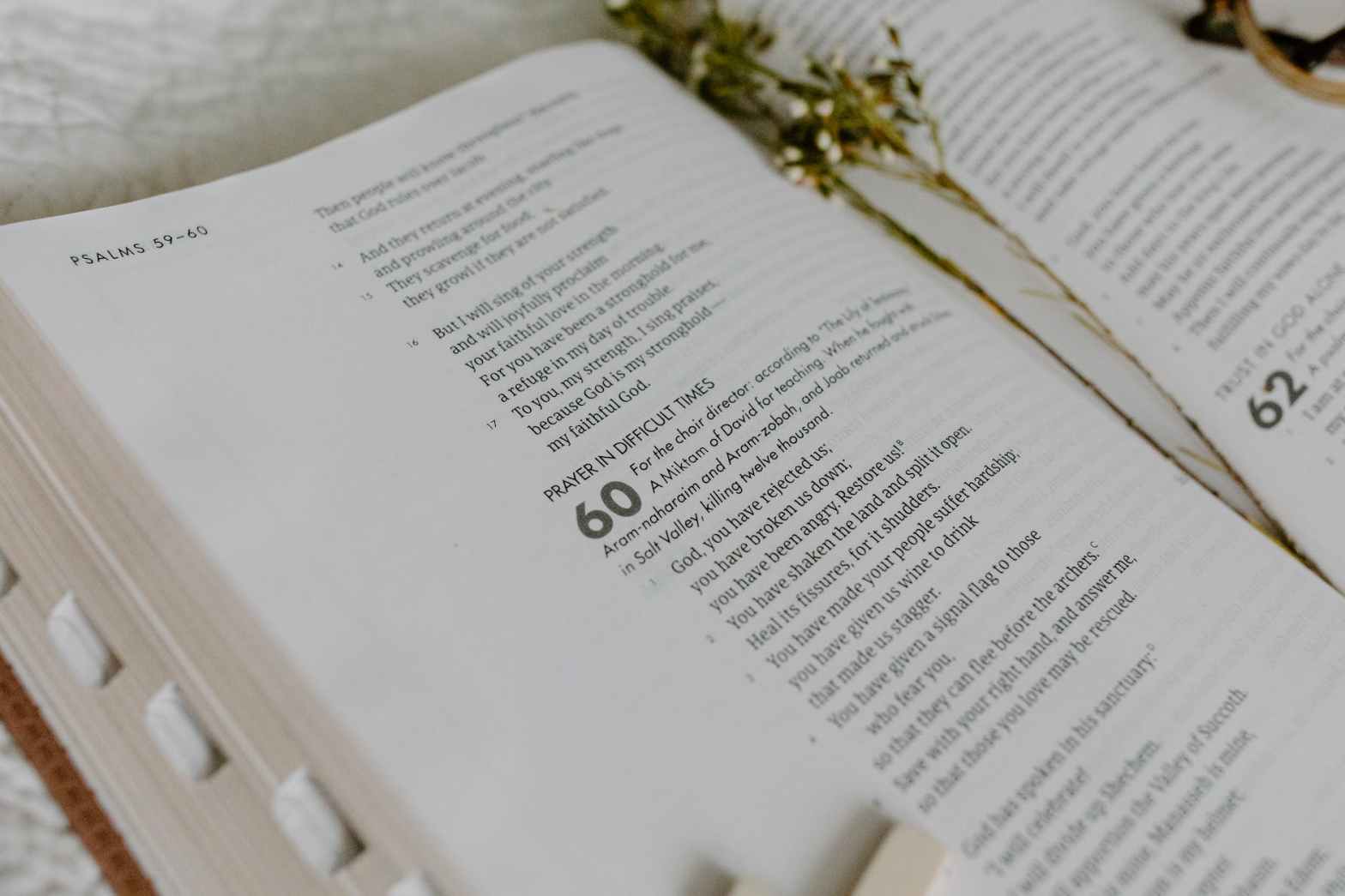
Today we’re going to take a look at contemplative prayer. A simple definition of contemplative prayer is taking time to be quiet before the Lord, meditating on him and responding to the guidance of the Holy Spirit.
“Put simply, the contemplative life is the steady gaze of the soul upon the God who loves us.”
—Richard Foster, Streams of Living Water
Historically, contemplative prayer was known at Lectio Divina, which was a monastic practice of deepening the heart to heart connection with God. The process, or movements of Lectio Divina can be defined in four phases, these include, resting, reading, reflecting, and responding.
The whole process is led by the Holy Spirit. We submit our minds and schedules to him, and begin with resting in him. Worship and adoration are on our lips as we set our affections upon the Lord. He guides us into reading scripture and it can read it outloud, quietly or simply in our minds as we’re prompted. Following the nudging of the Holy Spirit we reflect and meditate on a particular verse, phrase, or word. This is not an analytical practice, but a curious observation and mediation, ruminating would be a good word to describe this step. Then as the Spirit leads, we move into responding. This can be a prayer of thanksgiving, a song, or even a simple phrase or word, again as the Holy Spirit guides.
This practice is best done in private, as the promptings of the Holy Spirit should be followed closely as you move from movement to movement. The exact order of events is not so important as the process of quieting yourself before the Lord and practicing being attentive to his guidance.
Elijah experienced the presence of the Lord as a gentle whisper in 1 Kings 19:11-12. “The Lord said, “Go out and stand on the mountain in the presence of the Lord, for the Lord is about to pass by.” Then a great and powerful wind tore the mountains apart and shattered the rocks before the Lord, but the Lord was not in the wind. After the wind there was an earthquake, but the Lord was not in the earthquake. After the earthquake came a fire, but the Lord was not in the fire. And after the fire came a gentle whisper.”
In order to hear a whisper, we must quiet our hearts and our minds. We must remove distractions and set our focus and attention upon the one who is whispering.
Perhaps the reason many do not hear God speak today is because our culture has eliminated quiet. We have removed all the margin in our lives and have filled our schedules with busyness. And when we do get quiet, we invest all that time into ‘self-care’ and ‘me time.’ (Not to knock self-care, we do need that at times.) But what if spending time in the presence of the Lord is the most important thing we could be doing with our days? What would shift in how we care for ourselves and others?
Jesus said, “Come unto me all who are weary and burdened, and I will give you rest. Take my yoke upon you and learn from me, for I am gentle and humble of heart, and you will find rest for your souls. For my yoke is easy, and my burden is light.” Matthew 11:28-30
We are not meant to fill all of our time with the demands of work and home to the exclusion of quiet time alone with God. Yes, there are responsibilities we all must attend to, but the presence of the Lord is always nearby, if only we would pay attention to him.
“God manifests himself in his creation, even in the midst of mundane activities, whenever and wherever we acknowledge God.” – Richard J. Foster, The Six Streams, A Balanced Vision
We should devote certain times of quietness to God, contemplative prayer is a wonderful way to deepen our intimacy with Jesus and experience his love in a tangible way.
Do not believe the lie that nothing is happening in the quietness. When first beginning putting this kind of spiritual discipline in place, it will absolutely take discipline to tune our heart and mind to the Lord and stay focused. It may be helpful to set a timer as you begin, so that you’re not constantly checking the time to see how long its been. God does not work on our time tables, but he is delighted when we mark out specific time to spend with him.
In 1 Thessalonians, we are instructed to “pray without ceasing” and this is absolutely possible. We must ‘practice the presence of the Lord, as Brother Lawence did. We should go about our lives always aware that the Lord is with us and remember that he wants to spend time with us more than we want to spend time with him.
If you’d like to read more about Lectio Divina, you can do so here: here and here.
“Be still and know that I am God” – Psalm 46:10
Time spent with the Lord is never wasted.
A seed put into the ground doesn’t bear fruit the same day.
Other Blog Posts:
 Sarah Louise